
- Details
- By Rev. Denise Tracy
In my younger middle school years, my English teacher asked us if we wanted to have a pen pal from another country. I did. I was paired with a girl my age, 13, from Australia. We wrote back and forth for several years. I learned about her life and she learned about mine. As high school approached both our lives got busy and we stopped writing. Since that time, I have wanted to have an international circle of friends. Like-minded women whom I might get to know. With whom I might exchange ideas and learn how we are alike and how we are different.

- Details
- By Gail Sandlin
According to the latest report from the United Nations' report State of Food Security and Nutrition in the World (SOFI 2025), an estimated 8.2 percent of the global population, about 673 million people, experienced hunger in 2024, marking a slight decline from previous years yet leaving millions still in urgent need. Nearly 60 percent of those affected are women and girls, who face systemic inequalities that increase their vulnerability to food insecurity. In many cultures, women eat last and least while bearing caregiving responsibilities, despite having limited access to resources and opportunities that could enhance household food security. Addressing this global crisis requires gender-responsive policies and empowering women as central agents in the fight to end hunger and malnutrition.
What Is Food Insecurity?

- Details
- By Gail Sandlin
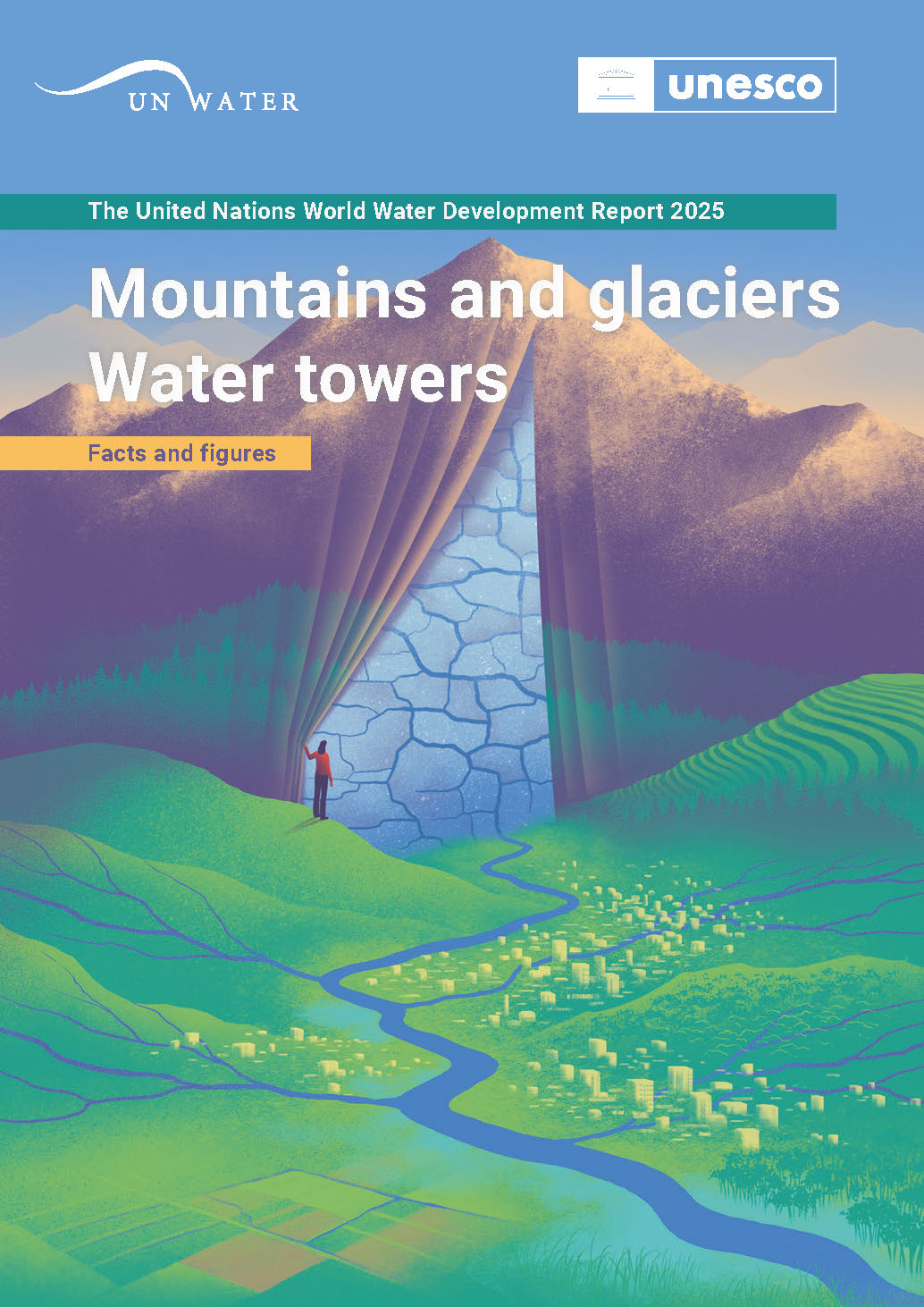
Mountains and glaciers: Water towers
The UN issued its latest report addressing solutions to help us simultaneously mitigate and adapt to rapid changes in our frozen water resources. The report highlights the urgent threats posed by glacier and snowpack retreat to women’s livelihoods, health and rights – especially to mountain and downstream communities. Some of the key findings in this report include: water collection burden, health and sanitation risks, food security threats and increased disaster vulnerability.

- Details
- By Cindy Piester
Two and a half years ago the severity of the climate crisis was weighing heavily on me. I had recently returned from Egypt where I had been able to participate as a delegate-observer at COP 27, a trip made possible by the Women’s International League for Peace and Freedom. The Convention of the Parties (COP) and its international efforts were failing to meet even the most basic climate goals. I travelled to New York to meet with other ICUUW members, and meeting fellow ICUUW member Carmen from Bolivia, brought comfort and hope. Much younger than I, she, too, had recently returned from COP 27, and after a dozen or more UN Climate Conferences she kept showing up.

- Details
- By Rev Justine Magara

Hello Unitarian Universalists, colleagues from around the world. I am Justine Magara from Kenya. I'm the Minister of Kisii North Unitarian Congregation and Maasai Unitarian Universalist community. I live in Ngong, Kajiado West, where I serve the Maasai Unitarian Universalist community.
Many people have asked about our Unitarian Universalist faith, how it landed in Kenya, and I'm giving you a brief history on how the Unitarian Universalist faith landed in Kenya and how it has been doing since it was first introduced up to now.

- Details
- By ICUUW Staff
The Unitarian Church Jowai has a beautiful choir. ICUUW Board member Elgiva Shullai’s sister sings in the soprano section and one of her nieces is an alto.

- Details
- By Tina Huesing, ICUUW President, Germany/USA
Dear members and friends,
Our organization is networked with other women’s organizations. We were in touch with the women in the Philippines earlier in the year and sent greetings to their meeting. We had our annual meeting in June, UNOSZ, the women’s organization in Romania, just had its annual meeting, and MUNOSZ, the Hungarian women’s organization, will have their annual meeting later this month. Seng Kynthei, the women’s wing of the Unitarians in Northeast India, celebrates the anniversary of the founding of Unitarianism in their region, and in preparation led Sunday services and organized other praise and worship, sermons and music. There is so much to explore and discover.
These connections are made one woman at a time. Women connect with women because they are curious about each other. And they learn from each other, inspire each other, and help each other. We explore commonalities and cultural differences in how we live our lives, how we live our faith, and how we each are active in making the world a better place for us and everyone else. It is good to be in the company of women.